What Role Does Reo Bar Play in Reinforced Concrete?
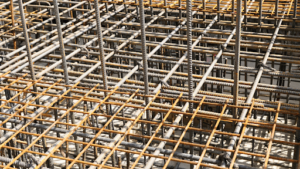
Across Australia, designers and builders rely on reo bar to meet structural demands, manage movement, and comply with relevant standards and engineering details.
What is reo bar, and why is it used in concrete?
Reo bar is a steel reinforcing bar embedded in concrete to improve strength and durability. It is used because concrete is strong in compression but weak in tension, so steel helps carry tensile forces.
On Australian residential and commercial projects, reo bar commonly appears in house slabs, strip footings, suspended slabs, retaining walls, columns, and lintels.
How does reo bar improve tensile strength in reinforced concrete?
Reo bar improves tensile strength by carrying tension when a slab or beam bends under load. As concrete cracks in tension, the steel continues to bridge those cracks and hold the element together.
This is why engineers specify reo bar placement in the tension zones of beams and slabs, such as the underside of a simply supported slab span.
How do concrete and reo bar work together as a composite?
They work together because concrete grips the steel and transfers load through bond along the ribbed surface. The result is a composite element where concrete handles compression and steel handles tension.
For reo bar to perform as intended, it needs correct embedment length, spacing, and cover, all detailed in engineering drawings used across Australian projects.
What do ribs and bar deformations do for bond strength?
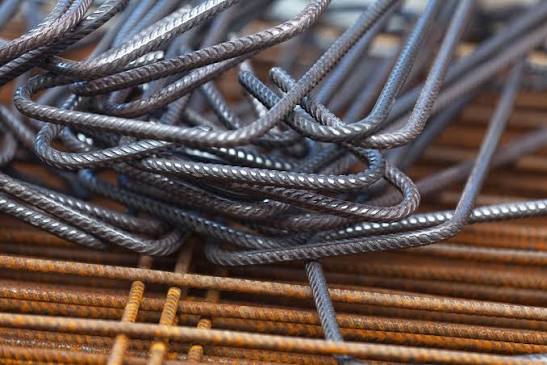
The ribs increase mechanical interlock between steel and hardened concrete. This boosts bond strength so forces can transfer reliably without the bar slipping.
On site, this matters for lap splices, anchorage zones, and areas with high stress. Without good bond, reo bar cannot effectively control cracks or carry the intended design loads.
What role does reo bar play in crack control?
Reo bar helps control crack width by distributing tensile stresses across many small cracks instead of a few large ones. It does not always prevent cracking, but it helps keep cracks tighter and more manageable.
In Australian climates, where slabs can experience shrinkage and temperature movement, reo bar supports serviceability by limiting visible cracking and reducing pathways for moisture ingress.
How does reo bar help concrete resist bending in slabs and beams?
In bending, one side of a member is in compression and the other is in tension. Reo bar is positioned where tension occurs so the member can carry bending moments without brittle failure.
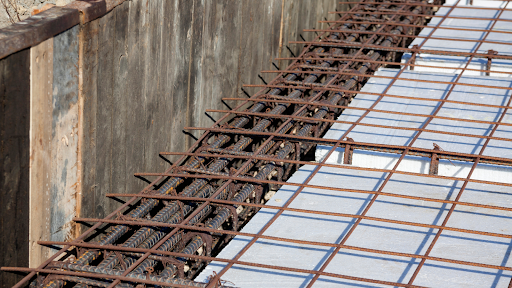
For example, in a typical house slab in Sydney or Brisbane, reo bar may be placed in beams or ribs and around openings where stress concentrations can cause cracking.
Why is reo bar placement and spacing so important?
Placement and spacing determine whether the steel is actually working in the high-tension areas. If it is too high, too low, or too widely spaced, the concrete may crack more and carry less load than intended.
Correct placement of reo bar depends on bar chairs, tie wire, stable formwork, and disciplined site practice so the reinforcement does not shift during concrete pours.
What is concrete cover, and how does it protect reo bar?
Concrete cover refers to the thickness of concrete between the outer surface and the reinforcing steel. It plays an important role in protecting reinforcement from corrosion, fire, and environmental exposure. This protection becomes particularly important in coastal Australian locations, where salt-laden air can accelerate steel corrosion.
If cover is insufficient, reo bar can corrode, expand, and cause spalling. That is why cover requirements are specified on drawings and checked during inspections before a pour.
How does reo bar contribute to durability in Australian conditions?
Reo bar supports durability by keeping structural cracking controlled, which helps limit water and chlorides entering concrete. It also allows members to be designed thinner or more efficient while still meeting performance targets.
In places like Perth’s coastal suburbs or along the NSW coastline, durability detailing often focuses on adequate cover, quality concrete, and careful reinforcement placement to protect reo bar over time.
What are common grades and sizes of reo bar used in Australia?
They typically use deformed bars in standard diameters such as 12 mm, 16 mm, and 20 mm, with the selected size depending on structural requirements. Mesh reinforcement is also commonly used in slabs and may be combined with bars in beams, thickened edges, and other areas requiring additional capacity. Common reinforcement bar sizes can therefore vary according to the project’s design and loading requirements.
Engineers select reo bar grade and size based on loads, spans, exposure conditions, and constructability, aiming for practical fixing and reliable performance on site.
When do designers use reo bar versus mesh reinforcement?
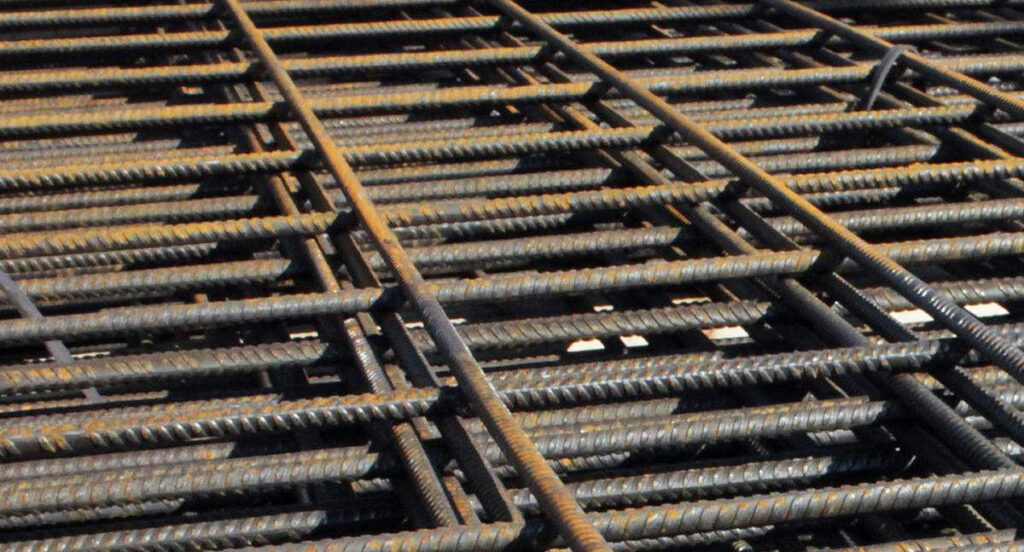
Reo bar is often chosen where higher tensile capacity, anchorage, or bending resistance is needed, such as beams, footings, columns, and around openings. Mesh is commonly used for distributed reinforcement in slabs to manage shrinkage and temperature cracking.
Many Australian slabs use both: mesh across the main slab area and reo bar in ribs, edge beams, and around penetrations.
How is reo bar detailed around corners, laps, and penetrations?
They detail it with laps, hooks, and additional bars to maintain load paths through the structure. Corners and re-entrant corners, like around stair openings or large penetrations, often need extra reinforcement to reduce cracking.
For reo bar to work, laps must be long enough and placed correctly, and bars should be tied securely so they do not separate during vibration and concrete placement.
What are the most common on-site mistakes with reo bar?
Common issues include inadequate cover, bars sitting on the ground, poor bar chairs, missing laps, incorrect spacing, and reinforcement displaced during the pour. Another frequent problem is congestion, where too many bars make it hard to place and compact concrete properly.
These mistakes can reduce the effectiveness of reo bar and lead to cracking, reduced capacity, and durability issues that are expensive to rectify after the concrete hardens.
How do they ensure reo bar is installed correctly before a concrete pour?
They usually follow the engineer’s drawings, check bar sizes and spacing, confirm laps, and verify cover using bar chairs and spacers. They also ensure reinforcement is clean enough for good bond, with no excessive mud or loose scale.
On Australian sites, pre-pour inspections are a practical control point to confirm reo bar is secure and correctly positioned before concrete is placed and vibrated.
Does reo bar make reinforced concrete “stronger,” or just “tougher”?
It makes reinforced concrete both stronger in tension and tougher in failure behaviour. Concrete alone can fail suddenly once it cracks in tension, while steel reinforcement allows ductile behaviour and warning signs such as deflection and cracking.
This ductility is a major reason engineers specify reo bar in critical structural elements, especially where safety margins and predictable performance are essential.
How does corrosion affect reo bar, and what can be done to reduce risk?
Corrosion causes steel to expand, which can crack and spall concrete and reduce steel cross-section. The main ways to reduce risk are adequate cover, good-quality concrete, correct curing, and appropriate exposure classification detailing.
In aggressive Australian environments, they may also consider protective measures such as coatings, corrosion inhibitors, or stainless reinforcement in specific applications, depending on project needs.
What should they ask a concreter or builder about reo bar on a project?
They should ask whether reinforcement matches the engineer’s drawings, how cover will be maintained, and whether a pre-pour inspection will be done. They can also ask how penetrations, edge beams, and slab joints will be reinforced.
If they want fewer durability issues, they should confirm the concrete mix, curing plan, and how reo bar will be kept correctly supported during placement and vibration.
What is the main takeaway about the role of reo bar in reinforced concrete?
Reo bar is the core component that lets reinforced concrete resist tension, control cracking, and perform reliably under real-world loads. When it is correctly specified and installed, it supports strength, ductility, and durability across Australian construction.
Ultimately, reo bar only delivers its benefits when placement, cover, laps, and site execution match the engineering intent.
FAQs (Frequently Asked Questions)
What is reo bar and why is it essential in reinforced concrete?
Reo bar, or reinforcing steel bar, is embedded in concrete to enhance its strength and durability. Since concrete is strong under compression but weak under tension, reo bar carries tensile forces, enabling slabs, footings, walls, and beams to resist heavy loads without cracking. It is widely used across Australian residential and commercial projects to meet structural demands.
How does reo bar improve the tensile strength of concrete structures?
Reo bar improves tensile strength by carrying tension forces when slabs or beams bend under load. As concrete cracks in tension zones, the steel bars bridge these cracks, holding the element together. Engineers specify reo bar placement in tension areas—such as the underside of simply supported slabs—to ensure structural integrity on Australian job sites.
Why are ribs and deformations important on reo bars?
The ribs and deformations on reo bars provide mechanical interlock with hardened concrete, boosting bond strength. This reliable bond prevents the steel from slipping within the concrete, which is crucial for effective load transfer in lap splices, anchorage zones, and high-stress areas. Without proper bonding from ribs, reo bars cannot control cracks or carry design loads effectively.
What role does concrete cover play in protecting reo bar?
Concrete cover refers to the thickness of concrete between its surface and the embedded steel reinforcement. It helps protect reo bars from corrosion, fire, and environmental exposure, which is particularly important in coastal Australian regions affected by salt-laden air. Adequate cover reduces the risk of steel corrosion, expansion, and concrete spalling, so reo bar cover requirements are specified in engineering drawings and checked before concrete is poured.
How does reo bar help control cracking in concrete structures?
Reo bar helps manage crack widths by distributing tensile stresses across many small cracks rather than allowing a few large ones to form. While it doesn’t always prevent cracking entirely, it keeps cracks tighter and more manageable. This crack control supports serviceability by limiting visible damage and reducing moisture ingress pathways in Australian climates prone to shrinkage and temperature movements.
What are common mistakes made on-site regarding reo bar installation?
Common on-site errors include inadequate concrete cover over bars, reinforcement sitting directly on the ground without proper chairs, missing lap splices or insufficient lap lengths, incorrect spacing of bars, displacement of reinforcement during concrete pouring, and congestion where too many bars hinder proper concrete placement and compaction. These mistakes can compromise structural performance and durability if not addressed.