Top 5 Things Property Buyers Should Check Before Purchasing, Including Arborist Tree Removal
Below are five checks property buyers should run before signing, with clear steps they can take in NSW, VIC, QLD, SA, WA, TAS, and the ACT.
What should property buyers confirm about the contract, title, and hidden legal issues?
They should confirm the property can be used the way they intend and that there are no unpleasant surprises in the paperwork. Just as arborist tree removal requires professional assessment before major work begins, thorough due diligence is the fastest way to avoid buying into restrictions, disputes, or expensive compliance problems.
They can ask their conveyancer or solicitor to review the Contract of Sale, title search, plan, and key certificates. They should also check for easements, covenants, heritage overlays, and any restrictions affecting renovations, parking, trees, or drainage.
Zoning matters too. If they plan a granny flat, home business, subdivision, or even a new driveway, they should verify council rules before they pay a deposit.
They should also look for red flags such as building works with missing approvals, outstanding notices, or unapproved structures. If the vendor provides warranties or pest reports, they should confirm dates and scope, not just skim the summary.
What should property buyers inspect in the building, roof, drainage, and signs of pests?
They should arrange independent building and pest inspections because photos and open homes rarely reveal structural risks. Small defects can be manageable, but major issues can reshape the budget and their bargaining position.
A licensed inspector will typically look for movement, cracking patterns, damp, roof condition, subfloor ventilation, termite activity, and timber decay. They should ask for a written report with photos, severity ratings, and practical repair guidance.
Drainage is a quiet deal breaker. They should pay attention to yard fall, stormwater outlets, and any signs of pooling near the slab or stumps, especially after rain. In suburbs with reactive clay soils, they should take cracking and moisture problems seriously.
If the home is older, they should consider electrical and plumbing checks too. Rewiring, old switchboards, and galvanised pipes can cost more than buyers expect, and they often show up after settlement when it is too late to negotiate.
What should property buyers check about trees, roots, and whether arborist tree removal is needed?
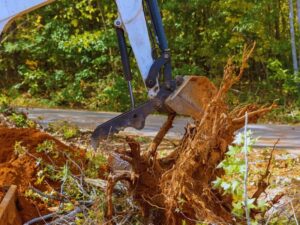
They should assess whether trees create safety, structural, or maintenance risks, and they should do it early. In many Australian homes, the most expensive surprise in the yard is not landscaping, it is arborist tree removal and related repairs.
Large trees close to houses can affect gutters, roofs, fences, paving, and underground services. Roots can lift paths, damage retaining walls, interfere with stormwater lines, and contribute to drainage issues that show up as damp.
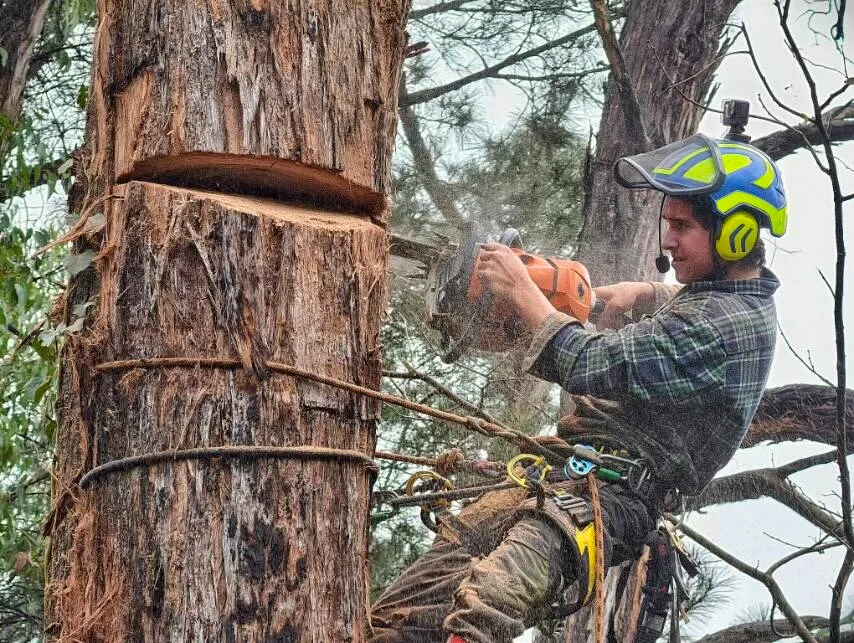
They should look for leaning trunks, dead limbs, fungal growth, hollowing, and heavy canopy weight over bedrooms, sheds, or neighbour fences. They should also note proximity to powerlines, which can limit pruning options and require coordination with the local distributor.
If there is any doubt, they should request a qualified arborist assessment and written advice. That report can clarify whether pruning is enough or whether arborist tree removal is the safer option, plus how urgent the risk is.
They should also consider council rules. Many councils across Sydney, Melbourne, Brisbane, Perth, Adelaide, Canberra, Hobart, and regional areas regulate removal of certain species or sizes. A buyer who assumes they can “just cut it down” may inherit delays, fees, and penalties.
If the tree is likely to go, they should price the total scope, not only arborist tree removal. Stump grinding, green waste, access constraints, traffic control, crane work, and fence repairs can change the figure quickly.
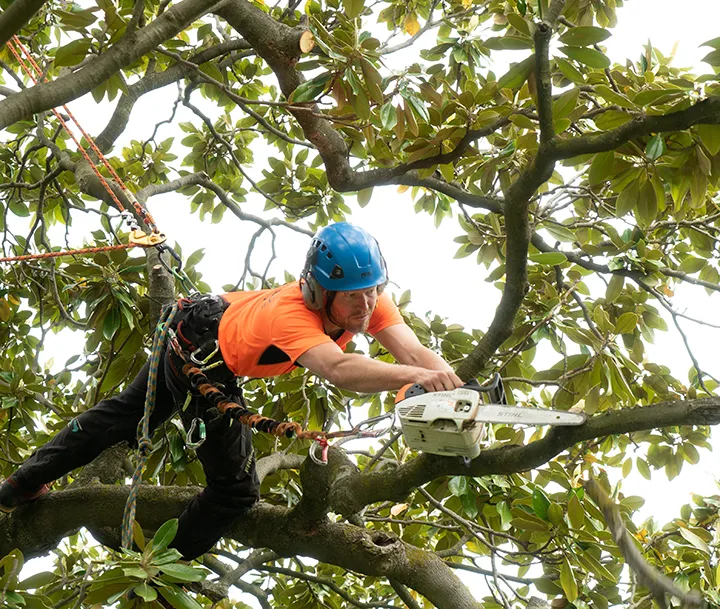
Finally, trees can affect insurance and future resale. If a tree is clearly hazardous, insurers may ask what risk management has been completed. Arranging a Professional Tree Inspection Willoughby service can help identify potential hazards early and provide clear recommendations. For some properties, completing arborist tree removal soon after settlement is not optional; it is basic risk control.
What should property buyers verify about council approvals, renovations, and boundary compliance?
They should confirm that what they are buying matches what is approved. This helps them avoid inheriting unapproved decks, carports, sheds, or internal changes that can trigger rectification orders and expensive upgrades.
They can ask for evidence of permits and final certificates for extensions, structural changes, pools, and significant plumbing or electrical works. If a bathroom looks new but approvals are missing, they should assume there is a compliance risk until proven otherwise.
Boundary issues can be subtle. They should check fences, retaining walls, and any structures near boundaries, then compare them with the deposited plan where possible. Encroachments can turn into disputes that cost time, legal fees, and neighbour goodwill.
They should also ask about shared driveways and right of carriageway arrangements. Easements can limit building placement, landscaping, and even arborist tree removal if access is required through another lot.
If the home sits in a bushfire-prone area, they should pay attention to BAL ratings and construction requirements. If they plan renovations later, costs can increase significantly due to bushfire compliance.
What should property buyers confirm about total ownership costs, insurance, and risk exposure?
They should estimate the real weekly cost of owning the property, not just the mortgage repayment. This is where many budgets break because buyers forget about insurance, rates, strata, maintenance, and inevitable fixes.
They can start with council rates, water charges, and, if applicable, strata levies and special levies. In many Australian strata buildings, upcoming works like roof replacement, cladding, or concrete spalling can be flagged in meeting minutes, which they should read carefully.
Insurance should be priced early. Flood, storm, coastal exposure, and bushfire risk can shift premiums, excesses, and coverage terms. They should check whether the home has a claims history and whether the site falls within flood overlays or high-risk zones.
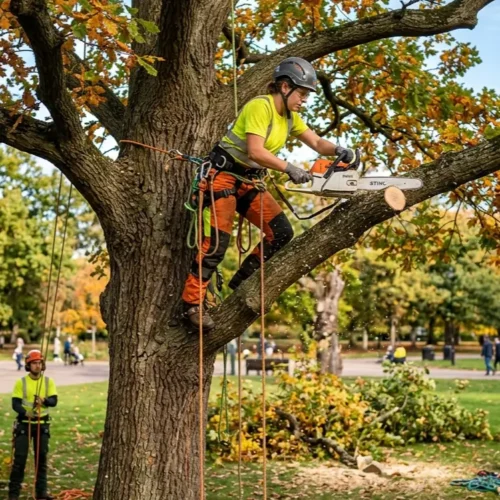
Maintenance planning matters as well. Older homes may need repainting, roof repairs, hot water replacement, or drainage upgrades within the first year. If the yard contains large trees, they should budget for ongoing pruning and, where necessary, arborist tree removal so costs do not arrive as an emergency.
They should also keep a buffer for post-settlement fixes that inspections can miss. Even a well-maintained property can reveal issues once they live through a full season of heat, storms, and heavy rain.
How can property buyers use these checks to negotiate and reduce risk before they commit?
They should treat each check as a negotiation tool rather than a box-ticking exercise. When they have facts, they can request repairs, adjust the price, or set clearer contract terms.
If inspections identify defects, they can seek quotes and use them to support a price reduction or a shorter settlement with agreed rectification. If trees are a concern, a written arborist recommendation and quote for arborist tree removal can be powerful evidence, especially when the tree threatens structures or safety.
They should also use contract conditions properly. Subject to finance and subject to inspection clauses exist for a reason, and they should ensure timelines give them enough room to obtain reports, quotes, and legal advice.
If the risks stack up, they should be willing to walk away. Another property will appear, but a rushed purchase can lock them into years of costs, disputes, or urgent works they did not plan for.
Property buyers who do these five checks consistently put themselves in the best position to buy confidently. And when trees are part of the picture, planning for arborist tree removal early can prevent the most avoidable surprise of all.
<script type="application/ld+json">
{
  "@context": "https://schema.org",
  "@type": "BlogPosting",
  "mainEntityOfPage": {
    "@type": "WebPage",
    "@id": "https://atlantahardwoodandtile.com/top-5-things-property-buyers-should-check-before-purchasing-including-arborist-tree-removal/"
  },
  "headline": "Top 5 Things Property Buyers Should Check Before Purchasing, Including Arborist Tree Removal",
  "image": [
    "https://atlantahardwoodandtile.com/wp-content/uploads/2026/07/img_5461-high.webp",
    "https://atlantahardwoodandtile.com/wp-content/uploads/2026/07/68972b90cece149cb17284be_685348f0a75bd1894d52ce57_Trav20Trees20B-5.webp",
    "https://atlantahardwoodandtile.com/wp-content/uploads/2026/07/tree-removal-services-Hornsby-500x500-1.webp"
  ],
  "author": {
    "@type": "",
    "name": "George Degotardi",
    "url": "https://atlantahardwoodandtile.com/author/admin/"
  },
  "publisher": {
    "@type": "Organization",
    "name": "Australian Tiles And Real Estate Agents",
    "logo": {
      "@type": "ImageObject",
      "url": "https://atlantahardwoodandtile.com/wp-content/uploads/2023/03/Untitled-500-×-100-px-4.png"
    }
  },
  "datePublished": ""
}
</script>