7 Often-Overlooked Property Checks, Including Tree Root Removal
They’re also practical. Most can be organised before settlement or within the first few weeks of ownership, which is when problems are cheapest to fix.
What do they need to know about tree root removal before it becomes a structural issue?
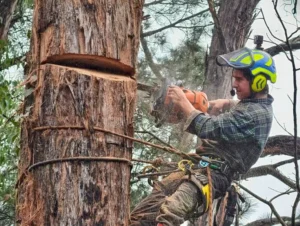
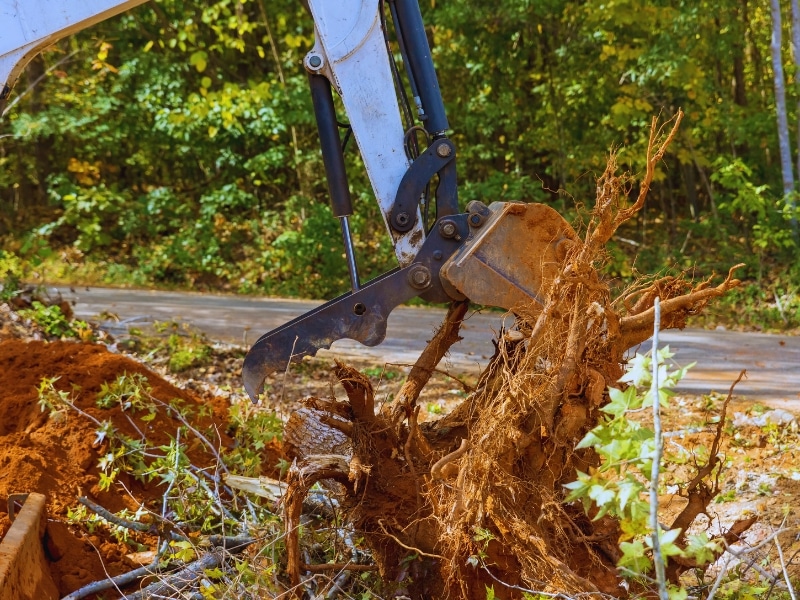
Tree roots can damage pipes, lift paving, and contribute to slab movement, especially in reactive clay soils common in many Australian suburbs. In some cases, professional tree root removal may be required to prevent further structural issues and protect surrounding areas. Often-overlooked property checks should include a root risk look-around, not just a general garden tidy-up.
They can start by identifying large trees near sewer lines, stormwater runs, and footings. If there are signs like recurring drain blockages or cracked paths, a licensed plumber’s drain camera and an arborist’s advice can confirm whether tree root removal is necessary.
How can they check stormwater drainage before it floods a yard or subfloor?
Poor stormwater drainage is a common cause of damp, mould, and erosion, yet it rarely gets the attention it deserves. Among often-overlooked property checks, drainage is one of the most valuable because water problems spread fast.
They can look for downpipes that discharge near foundations, pooling after rain, blocked pits, or broken grates. In many councils, legal point-of-discharge rules apply, so they may need a drainage plumber to confirm whether flows connect correctly to the street or an approved system.
What should they inspect in the roof space that a standard viewing won’t reveal?
Roof issues often hide above the manhole, where buyers rarely look. Often-overlooked property checks should include a roof-space inspection for leaks, pests, and unsafe wiring.
They can look for water staining on timbers, sagging insulation, daylight through tiles or iron, and signs of rodents. If there’s a musty smell or visible mould, they may need both a building inspector and a pest inspector, since moisture and pests often travel together in Australian roof spaces.
How do they test for slow plumbing leaks and pipe condition without guesswork?
A tap that “seems fine” can still hide pressure drops, cracked pipes, or active leaks. Often-overlooked property checks should include a basic leak and pipe condition screen, especially in older homes or renovated properties with unknown workmanship.
They can check the water meter for movement when all taps are off, inspect under sinks for swelling or staining, and note any gurgling drains. If they suspect root intrusion or collapsed clay pipes, a CCTV drain inspection is typically faster and cheaper than repeated call-outs.
What electrical and smoke alarm checks should they arrange for compliance and safety?
Electrical faults can be costly, and smoke alarm rules differ by state, which can trip up investors and landlords. Often-overlooked property checks should include a licensed electrician’s safety review, not just a quick switch test.
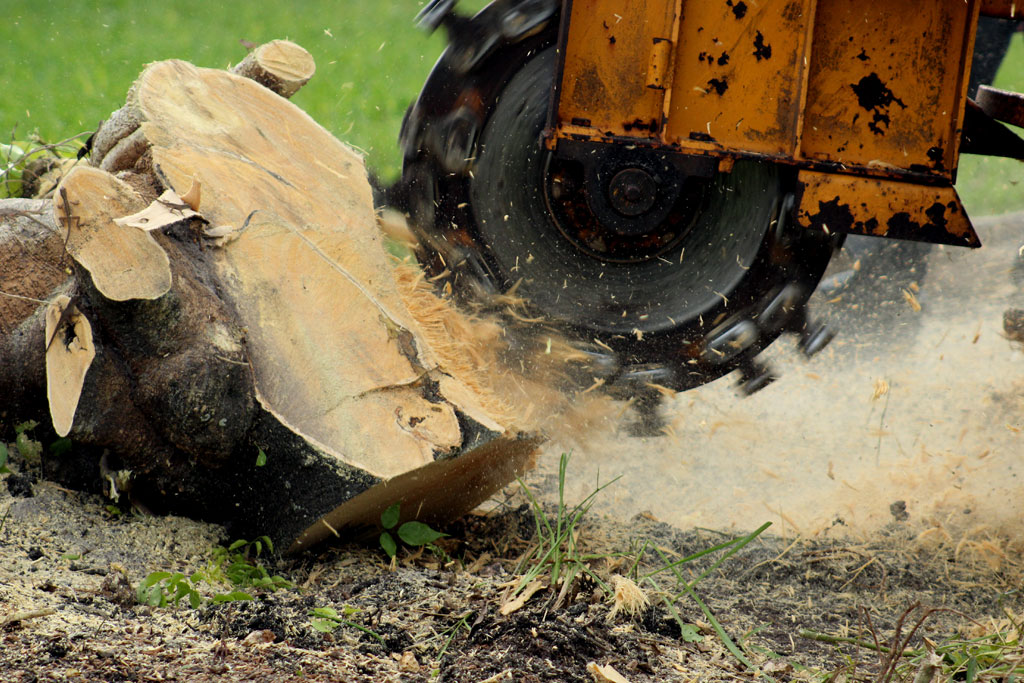
They can ask whether the switchboard has modern safety switches, whether any circuits trip under load, and whether there’s DIY wiring. For smoke alarms, they should confirm the state requirements and installation type, since compliance expectations in places like NSW, QLD, and VIC can affect tenancy and insurance. Similarly, they should inspect outdoor areas and understand when it is necessary to trim trees on your property to maintain safety, accessibility, and overall property presentation.
How can they spot termite risk even if there are no visible pests?
Termites are a major Australian risk, and “no signs today” doesn’t mean “no risk tomorrow.” Often-overlooked property checks should include a termite risk assessment that looks at conditions, not just active infestation.
They can check for poor subfloor ventilation, timber-to-ground contact, leaking outdoor taps, and gardens built up against weep holes. A pest inspector can also flag whether there’s an existing treatment history, gaps in barriers, or conditions that attract termites, which helps owners plan prevention before damage starts.
What boundary and easement checks help avoid neighbour disputes and surprise limits?
Fences, driveways, and drainage lines often sit close to boundaries, and small assumptions can become big conflicts. Often-overlooked property checks should include a quick boundary reality check using the contract documents and council records.
They can review the title, plan, and any easements that limit building works, pools, or extensions. If anything looks unclear, a surveyor can confirm whether a fence is on the correct line, which is especially useful before spending money on landscaping, a carport, or retaining walls.
How should they check soil movement and cracking to avoid repeating repairs?
Cracks can be cosmetic, or they can signal movement that keeps returning. Often-overlooked property checks should include a simple crack pattern review and a look at site conditions that influence soil movement.
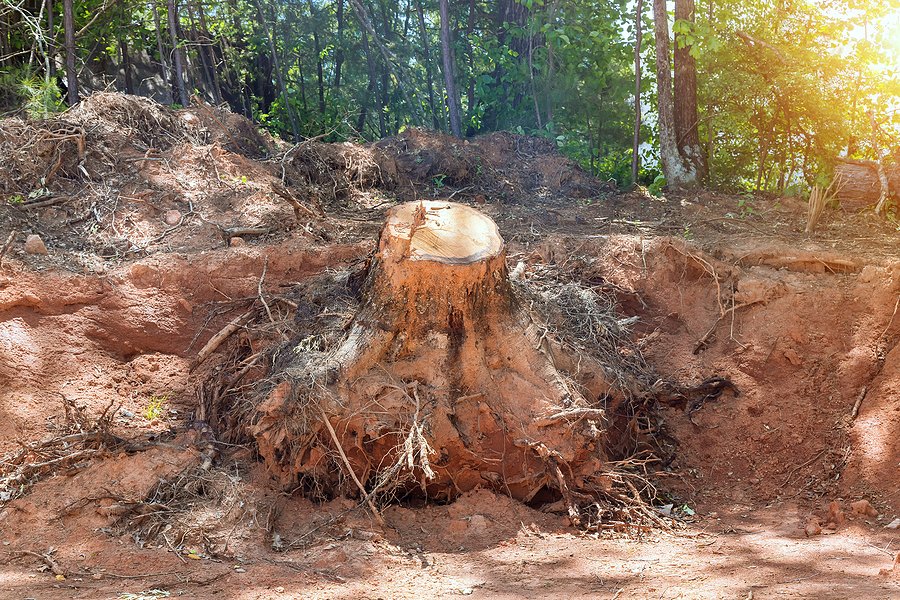
They can look for stepped brick cracks, doors that stick, sloping floors, or new gaps that appear after rain and heat cycles. In parts of Australia with reactive soils, an engineer can advise whether drainage, tree root removal, or footing repairs are likely, and whether past patch-ups were done properly.
What’s a practical way for them to prioritise these checks without overpaying?
They can prioritise by starting with water and pests, then moving to structure and compliance. Often-overlooked property checks work best as a short plan, not a panic list.
A simple order is: drainage and plumbing, termite risk, roof space, electrical safety, boundaries and easements, then cracking and movement. If the home has big trees or recurring blockages, they can move tree root removal and drain imaging to the top, because delays often increase repair costs.
What’s the takeaway they should use before settlement or in the first month?
They should treat these as insurance against the most common hidden headaches in Australian property ownership. Often-overlooked property checks are less about perfection and more about preventing nasty surprises.
If they organise inspections early, keep written reports, and act on the high-risk findings first, they will usually spend less overall. And if tree roots, water flow, or termites are even slightly suspected, early investigation is almost always cheaper than waiting.
<script type="application/ld+json">
{
  "@context": "https://schema.org",
  "@type": "BlogPosting",
  "mainEntityOfPage": {
    "@type": "WebPage",
    "@id": "https://atlantahardwoodandtile.com/7-often-overlooked-property-checks-including-tree-root-removal/"
  },
  "headline": "7 Often-Overlooked Property Checks, Including Tree Root Removal",
  "image": [
    "https://atlantahardwoodandtile.com/wp-content/uploads/2026/07/cost-of-tree-stump-removal.jpg",
    "https://atlantahardwoodandtile.com/wp-content/uploads/2026/07/Which-Tree-Root-Removal-Method-Works-Best-for-Soil-1.jpg",
    "https://atlantahardwoodandtile.com/wp-content/uploads/2026/07/treestumpremovalpreparation-1.jpg"
  ],
  "author": {
    "@type": "",
    "name": "George Degotardi",
    "url": "https://atlantahardwoodandtile.com/author/admin/"
  },
  "publisher": {
    "@type": "Organization",
    "name": "Australian Tiles And Real Estate Agents",
    "logo": {
      "@type": "ImageObject",
      "url": "https://atlantahardwoodandtile.com/wp-content/uploads/2023/03/Untitled-500-×-100-px-4.png"
    }
  },
  "datePublished": ""
}
</script>