What Should Be on Your Property Checklist? Including Trim Trees
This guide shares a practical property checklist that suits typical Australian homes, from suburban blocks to regional acreage. It includes what to check, when to check it, and why “trim trees” belongs on the list.
What is a property checklist and why does it matter?
A property checklist is a repeatable list of inspections and maintenance tasks that protects a home’s safety, value, and liveability. It matters because most property damage starts as something minor that is easy to miss until it is too late. For homeowners managing outdoor areas, including tasks like searching for trim trees near me services can help maintain healthy trees, prevent potential hazards, and keep the property looking well cared for.
For Australians, it also supports bushfire readiness, storm preparation, and pest control. When they follow a consistent property checklist, they spend less time reacting and more time preventing problems.
What should they check outside first?
They should start with the exterior because weather and water cause the fastest damage. A property checklist usually begins outdoors to catch roof, gutter, drainage, and tree issues early.
Key exterior items include roof lines, gutters, downpipes, drainage fall, retaining walls, fences, paths, and outdoor taps. If they keep notes and photos each time, they can track changes after storms and seasonal shifts.
What should be included for the roof, gutters, and drainage?
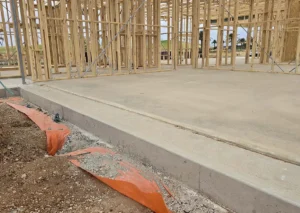
They should check for cracked tiles, lifted metal sheets, loose flashing, and debris buildup. Gutters and downpipes should be clear and discharging away from the slab and footings.
A strong property checklist also includes looking for overflowing stains, rust, and sagging gutter runs. If pooling water is seen near the house after rain, they should prioritise drainage fixes to reduce damp, subsidence risk, and mould.
What should they look for with walls, windows, and doors?
They should look for new cracks, peeling paint, swollen frames, and gaps that let in water or drafts. Windows and doors should open smoothly, latch properly, and seal well.
On a property checklist, they can include checks for damaged caulking, worn weather seals, and signs of termite mudding near frames. After heavy rain, they should also look for damp patches inside that correspond to external openings.
Why should “trim trees” be on the checklist?
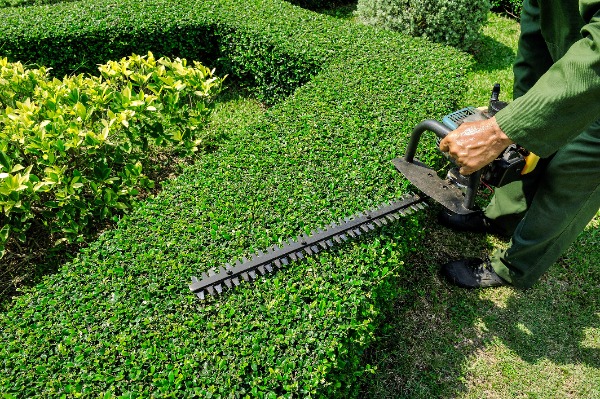
Trim trees belongs on a property checklist because overhanging branches can damage roofs, block gutters, and bring pests closer to the home. It also reduces the chance of falling limbs during storms, which are common in many Australian regions.
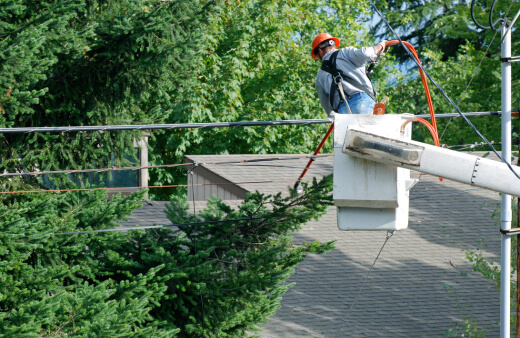
In bushfire-prone areas, trim trees can support fuel reduction around the house and improve access for emergency response. If branches touch powerlines, they should contact their local distributor rather than attempting any cutting.
How often should they trim trees in Australia?
Most households benefit from reviewing canopy growth at least once or twice a year. Fast-growing species may need more frequent attention, especially after a wet summer.
A property checklist can schedule tree checks at the start of spring and again before storm season. They should also inspect after major wind events, because cracks and hanging limbs are not always obvious from ground level.
What safety steps should they follow before they trim trees?
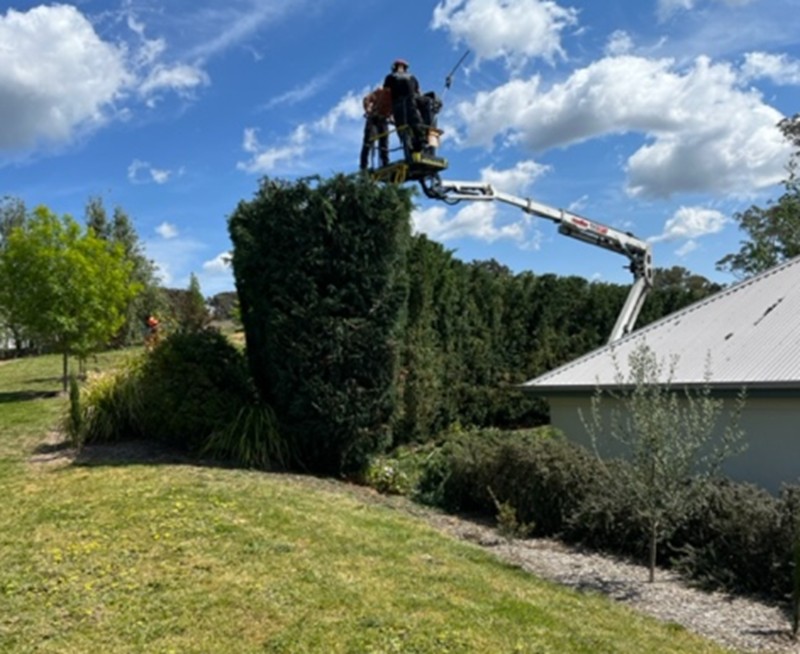
They should first look up and around for powerlines, unstable branches, and uneven ground. They should use appropriate PPE and avoid ladders for cutting where a fall is likely.
A sensible property checklist reminds them to use qualified arborists for large limbs, high canopies, or anything near electrical infrastructure. In most cases, paying for safe, insured work costs less than dealing with injury or major property damage.
What should they check for pests and termites?
They should look for mud tubes, hollow-sounding timber, and unexplained blistering paint. Subfloor vents should be clear, and garden beds should not bridge weep holes.
A property checklist can include checking timber fences and decks, since termites often start there. They should also store firewood away from the house and keep mulch and soil levels below the slab edge where possible.
What plumbing checks should be on the list?
They should check taps, toilets, and visible pipework for leaks, corrosion, and water staining. A Tree Root Damage Inspection can also help identify hidden issues caused by invasive roots affecting underground pipes and drainage systems. Hot water systems should be inspected for rust at the base and for pressure relief discharge that seems excessive.
On a property checklist, they can include checking for slow drains, gurgling sounds, and wet patches in the yard that suggest hidden leaks. In many Australian councils, water restrictions and higher bills make leak detection worth prioritising.
What electrical and fire safety items should they include?
They should test smoke alarms regularly and replace batteries as required. Switchboards should be labelled clearly, and they should watch for warm powerpoints, flickering lights, or frequently tripping circuits.
A property checklist should also include checking outdoor lighting and any weather-exposed powerpoints for cracked covers. If they have older wiring or are planning renovations, they should use a licensed electrician to assess safety and compliance.
What should they check inside for moisture, mould, and ventilation?
They should check bathrooms, laundries, and kitchens for mould, soft skirting, and persistent condensation. Exhaust fans should work properly and vent to the outside where appropriate.
A useful property checklist includes looking behind furniture on external walls, especially in cooler climates like Canberra, Melbourne, or Tasmania. If mould keeps returning, they may need to improve ventilation, fix leaks, or review insulation and heating patterns.
What heating, cooling, and appliance checks should be included?
They should clean or replace air conditioner filters and check that outdoor units are clear of leaves and dust. Gas heaters should be serviced by qualified technicians, and they should confirm adequate ventilation.
A property checklist can include checking rangehood performance, dryer venting, and any signs of overheating around appliances. For homes with solar, they can also monitor inverter alerts and keep panels reasonably clear of heavy grime and leaf litter.
What yard and fence items should be on the checklist?
They should check fence posts, gates, and retaining walls for lean, rot, or corrosion. Paths should be level and non-slip, and irrigation should not spray onto walls or into vents.
A good property checklist also includes looking for drainage issues in garden beds and making sure water flows away from the house. They should keep vegetation from crowding external walls, and trim trees so branches do not scrape roofs or dominate gutters.
How can they organise the checklist by season?
They can group tasks into seasonal blocks to make the work feel lighter and more consistent. The simplest approach is to plan a quick monthly scan and a deeper quarterly review.
A property checklist in Australia often includes: summer storm prep, autumn gutter clearing, winter moisture checks, and spring garden and pest reviews. They can also add reminders tied to local conditions, such as cyclone season in the north or bushfire season in many states.
What is a simple property checklist they can follow each quarter?
They can use this as a starting property checklist and adjust it to suit the home and region:
- Inspect roof edge lines from the ground for obvious damage
- Clear gutters, downpipes, and stormwater grates
- Check drainage and look for pooling near the slab
- Examine external cracks, seals, and paint wear
- Inspect windows and doors for gaps and sticking
- Look for termite signs and keep weep holes clear
- Check taps, toilets, and hot water system for leaks
- Test smoke alarms and note any electrical issues
- Check for mould, condensation, and fan performance
- Service heating and cooling as needed
- Check fences, paths, retaining walls, and trip hazards
- Trim trees away from roofs, gutters, and access paths
If they keep a dated log, this property checklist becomes more accurate over time. It also helps when budgeting for larger works like roof restoration, repainting, or major drainage upgrades.
What should they do if they find problems during inspections?
They should triage issues into urgent, soon, and monitor. Safety hazards like electrical faults, gas smells, active leaks, or unstable branches should be treated as urgent.
A property checklist works best when it leads to action. If they are unsure, they should document what they see, get a qualified trade to assess it, and schedule repairs before the next season makes it worse.
<script type="application/ld+json">
{
  "@context": "https://schema.org",
  "@type": "BlogPosting",
  "mainEntityOfPage": {
    "@type": "WebPage",
    "@id": "https://atlantahardwoodandtile.com/what-should-be-on-your-property-checklist-including-trim-trees/"
  },
  "headline": "What Should Be on Your Property Checklist? Including Trim Trees",
  "image": [
    "https://atlantahardwoodandtile.com/wp-content/uploads/2026/07/683dcd69e2c9fda4689d75b7_electric-shrub-trimmer.jpeg",
    "https://atlantahardwoodandtile.com/wp-content/uploads/2026/07/Tree-Trimming-Near-Power-Lines.jpg",
    "https://atlantahardwoodandtile.com/wp-content/uploads/2026/07/os-trees-hedging1.jpg"
  ],
  "author": {
    "@type": "",
    "name": "George Degotardi",
    "url": "https://atlantahardwoodandtile.com/author/admin/"
  },
  "publisher": {
    "@type": "Organization",
    "name": "Australian Tiles And Real Estate Agents",
    "logo": {
      "@type": "ImageObject",
      "url": "https://atlantahardwoodandtile.com/wp-content/uploads/2023/03/Untitled-500-×-100-px-4.png"
    }
  },
  "datePublished": ""
}
</script>